




Bruxism treatment in Marbella at INIMA Dental Clinic. Custom night guards & TMJ therapy to stop teeth grinding. Book your consultation today.
Bruxism is more common than people think, and early detection can save your smile. Discover what bruxism is, its causes, symptoms, and the most effective treatments available at INIMA Clinic.
What Is Bruxism?
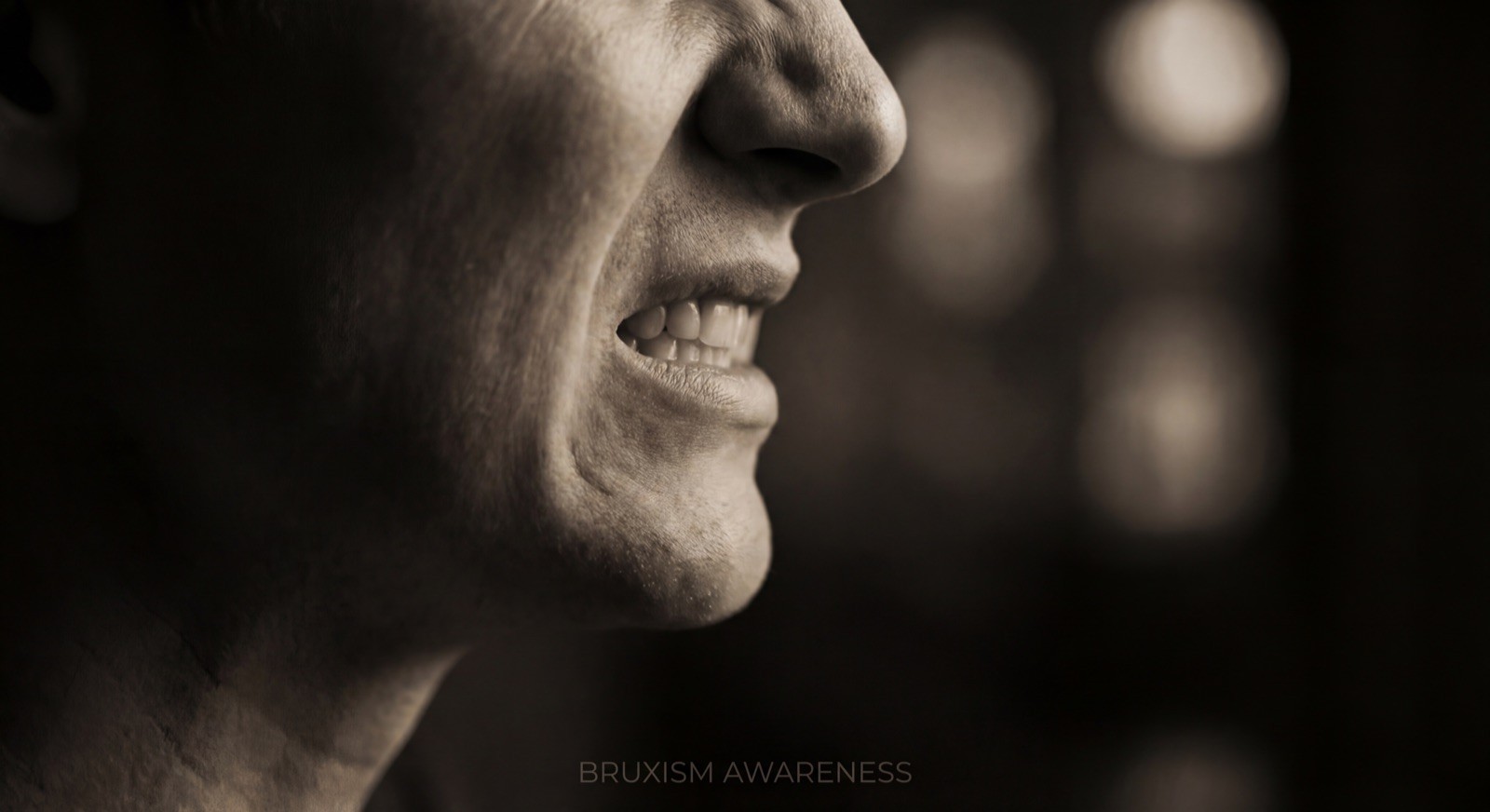
Bruxism is the involuntary habit of clenching or grinding the teeth, either during sleep (nocturnal bruxism) or while awake (daytime bruxism). Although it may seem like a minor issue, its consequences on the teeth, the temporomandibular joint (TMJ), and the chewing muscles can be very serious if left untreated.
It is estimated to affect 8–10% of the adult population, although many cases go unnoticed for years.
Why Does Bruxism Occur?
The causes of bruxism are multifactorial. The most common contributing factors include:
Stress and Anxiety
This is the most frequent trigger. Nocturnal bruxism tends to intensify during periods of high emotional or work-related stress.
Occlusal Factors
An incorrect bite or interference between teeth can cause the chewing system to unconsciously seek a comfortable position.
Sleep Disorders
Bruxism is associated with other sleep disturbances such as obstructive sleep apnoea or restless leg syndrome.
Medications and Substances
Some antidepressants (SSRIs), excessive caffeine intake, alcohol, or certain drugs can increase nocturnal parafunctional activity.
Genetic Factors
There is a family predisposition: if a family member suffers from bruxism, you are more likely to develop it too.
Symptoms of Bruxism
Bruxism does not always cause direct pain, but its warning signs are clear:
Worn, flattened, or chipped teeth with no apparent cause
Increased tooth sensitivity, especially to cold
Jaw pain upon waking or when opening the mouth
Frequent tension headaches, especially in the morning
Neck and shoulder pain
Joint sounds (clicking or crepitation in the TMJ)
Masseter muscle hypertrophy (visually wider jaw)
Your partner reports that you grind your teeth at night
What Damage Can Bruxism Cause If Left Untreated?
Without treatment, bruxism can lead to:
Severe enamel wear → extreme sensitivity and need for restorations
Dental fractures → tooth loss
Implant or restoration failure due to mechanical overload
TMJ disorder (temporomandibular joint) → limited opening, chronic pain
Gingival recession and associated bone loss
Diagnosing Bruxism at the Clinic
At INIMA, we perform a comprehensive diagnosis that includes:
Clinical examination of dental wear and chewing musculature
Occlusion analysis
Digital bite registration
In complex cases: TMJ analysis
Bruxism Treatment
There is no single treatment that eliminates bruxism, but we can control it and effectively protect your teeth.
Occlusal Splint (Night Guard)
This is the first-line treatment. It is a custom-made hard acrylic plate worn over the upper or lower teeth during sleep. Its functions:
Protects enamel from wear
Reduces stress on the TMJ and chewing muscles
Allows the muscles to rest in a more relaxed position
At INIMA, we fabricate night guards using digital design for maximum precision and comfort.
Botulinum Toxin (Masseter Botox)
Injecting botulinum toxin into the masseter muscle reduces the intensity of contractions without affecting normal chewing function. Additional benefits:
Visual improvement of facial contour (slimmer, more harmonious jawline)
Effect lasts 4–6 months
Well tolerated with rapid recovery
Occlusal Rehabilitation
In cases of advanced wear, it may be necessary to reconstruct affected teeth with veneers, crowns, or composite to restore the correct bite height.
Stress Management
Relaxation techniques, orofacial physiotherapy, cognitive-behavioural therapy, or improvements in sleep habits are essential complements to dental treatment.
When Should You See a Dentist for Bruxism?
Consult us as soon as possible if:
You notice visible wear on your teeth
You have frequent jaw or head pain upon waking
Your partner hears you grinding your teeth at night
You notice your teeth shifting or increased sensitivity
Bruxism detected early is very easy to manage. The problem arises when it is ignored for years.
Bruxism Treatment in Marbella: Personalised Care at INIMA
At INIMA Clinic Marbella, we combine precise diagnosis with personalised solutions for each patient. If you suspect you may have bruxism, a single consultation is all it takes to know for certain and begin the protection your teeth need.
Book an appointment at hello@inima.dental or call (+34) 690 006 845.
INIMA Dental Clinic Marbella — Avda. Severo Ochoa, 20 B